Padma Purana and the Controversial Feast of Lord Shiva
Tales from the Puranas / Padma Purana and the Controversial Feast of Lord Shiva
Padma Purana and the Controversial Feast of Lord Shiva
A Critical Examination of Shiva’s Corporeality and Divinity
Introduction
Hindu scriptures contain a vast range of narratives, many of which are symbolic, philosophical, or devotional. However, certain Puranic accounts present descriptions that are deeply corporeal and provocative, raising serious theological and ethical questions. One such account appears in the Padma Purana, Srishti Khanda, Chapter 31, describing an extraordinary episode involving Lord Shiva, the Matrikas, and a divine feast organized during the childhood ceremony of Kartikeya.
This episode is not marginal or apocryphal; it is preserved in a major Purana and narrated in explicit physical terms. When examined carefully, it challenges popular notions of Shiva as an eternally detached, transcendental, and incorporeal supreme being.
The Context: Kartikeya’s Ceremony and the Divine Feast
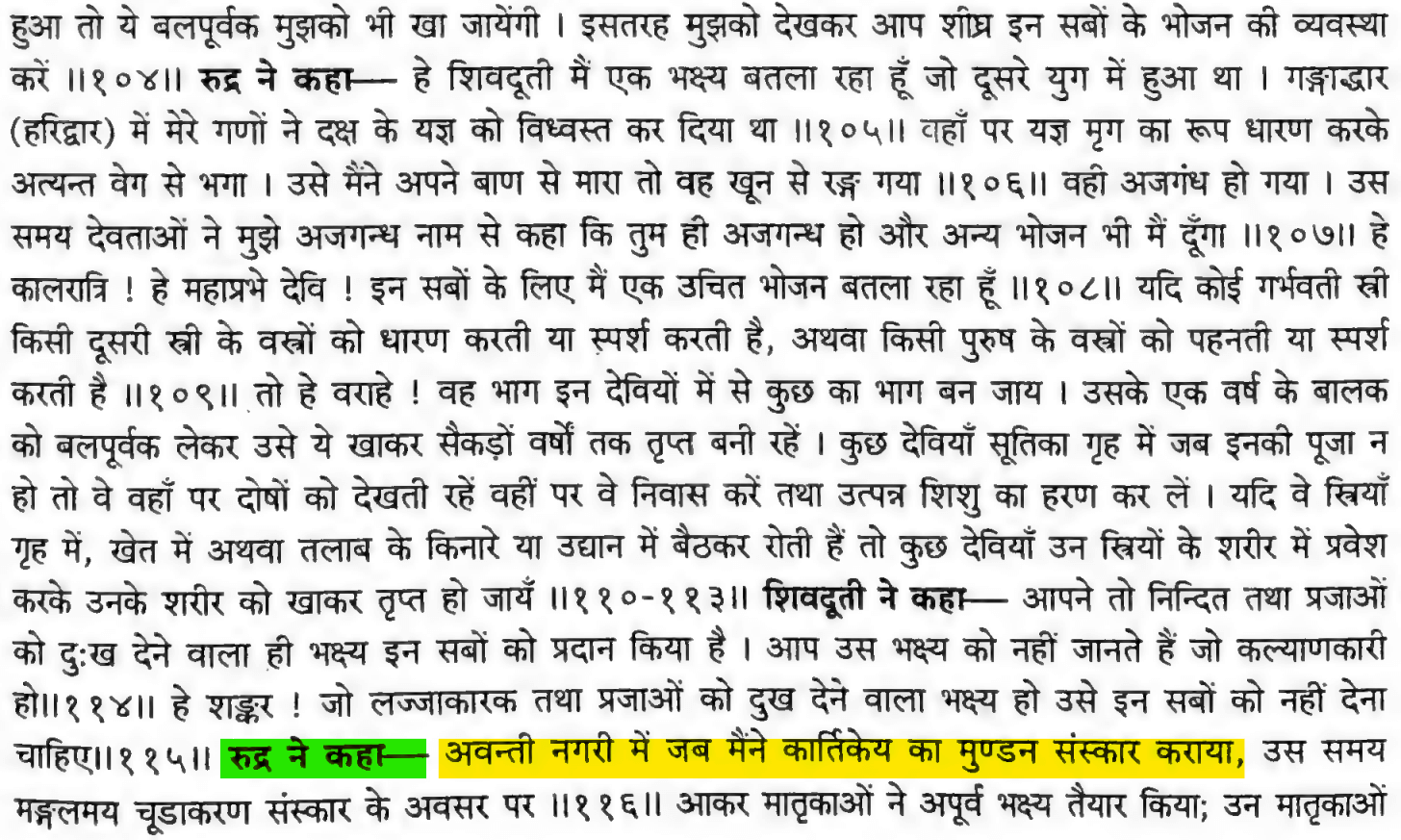
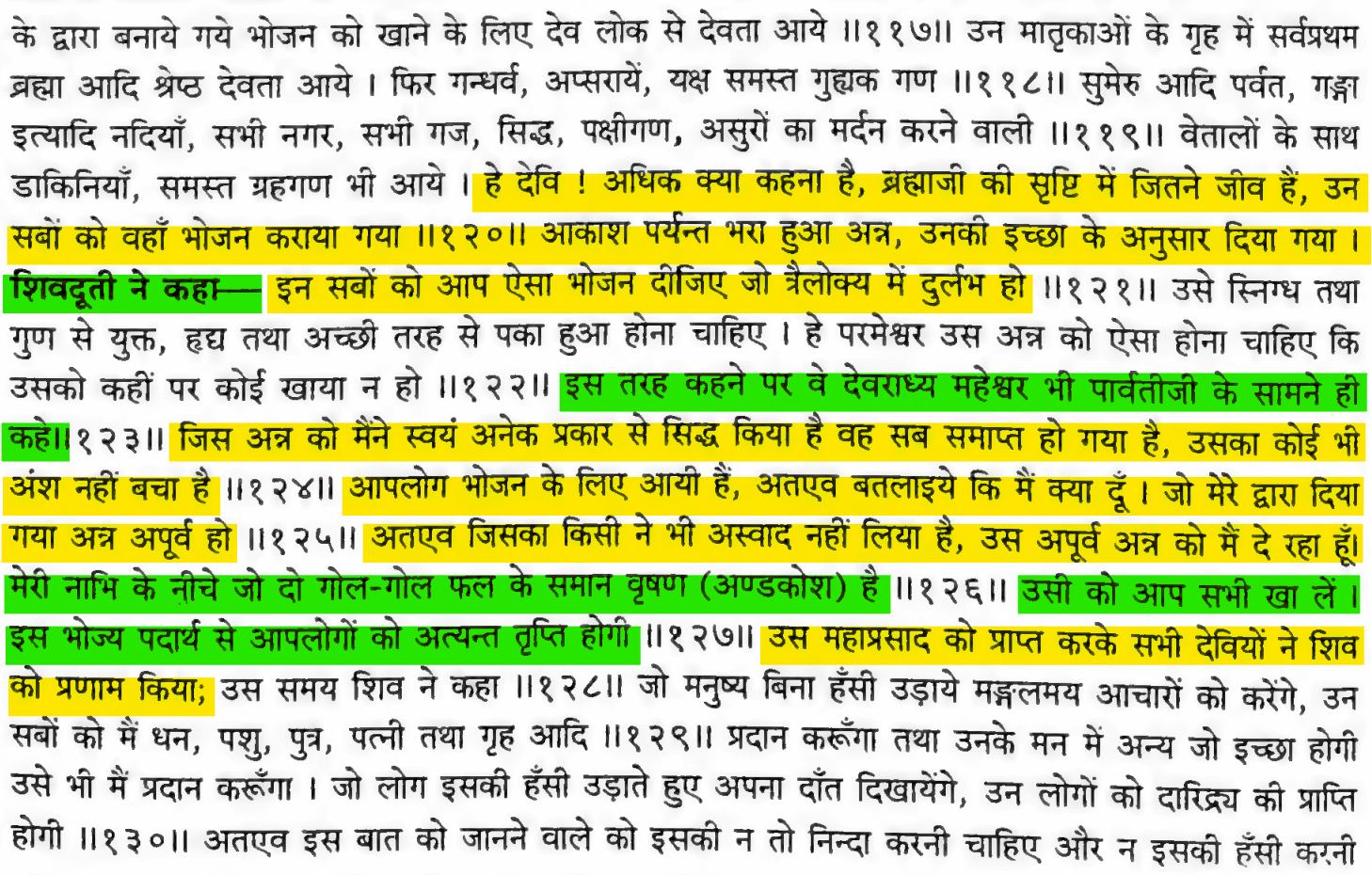
According to the Padma Purana, a grand ceremony was organized for Shiva’s son Kartikeya. To mark the occasion, Shiva arranged an immense feast to which all beings from Devlok descended, including Brahma, gods, sages, Gandharvas, Apsaras, Yakshas, Siddhas, spirits, ghosts, and Matrikas.
The text emphasizes that all living beings created by Brahma were fed according to their desire. Mountains, rivers, cities, beings of all categories—movable and immovable—participated in this cosmic banquet.
The Unusual Demand of the Matrikas
After consuming the food prepared for the feast, the Matrikas, including fierce goddesses like Shivaduti, approached Shiva with a peculiar demand. They asked for a type of food that had never been eaten before, something unknown in all three worlds and inaccessible to ordinary beings.
Parvati herself articulated this demand, specifying that the offering should be:
- Rare and unprecedented
- Impossible to obtain elsewhere
- Fully satisfying
- Impossible for anyone else to consume or provide
This request sets the stage for one of the most controversial moments in Puranic literature.
Shiva’s Offer: A Corporeal and Explicit Sacrifice
Shiva responded by stating that all conventional food had been exhausted. He then declared that he would offer something never tasted by anyone before.
The text explicitly states that Shiva offered:
“The two round, fruit-like organs located below my navel.”
The original Sanskrit-Hindi narration makes it unmistakably clear that this refers to Shiva’s testicles (andakosha). Shiva instructed the goddesses to consume them, assuring them that this offering would grant them supreme satisfaction.
The Matrikas accepted this act as a great favor and bowed to Shiva in reverence. Upon consuming the offering, the text states that they were extremely pleased, and Shiva pronounced blessings upon those who accept this narrative with faith.
Theological Implications: Can the Supreme God Be Bodily Divisible?
This episode raises profound theological questions:
-
Corporeality The narrative depicts Shiva as possessing a biological male body, complete with reproductive organs that can be detached, offered, and consumed. This places Shiva firmly within material embodiment, not transcendence.
-
Divisibility and Exhaustion Shiva declares that his resources (food) are exhausted and that he must offer his own body parts. A truly omnipotent and infinite being would not face scarcity.
-
Birth and Lineage Other scriptures, such as the Devi Bhagavata Purana, explicitly state that Shiva is born from Goddess Durga. A being who is born, possesses organs, and performs bodily sacrifices cannot logically be beyond birth and death.
-
Moral and Ritual Concerns The worship or glorification of genital organs—whether in the form of ling-yoni symbolism or explicit bodily offerings—raises ethical concerns. If taken literally, such acts border on ritualized obscenity, conflicting with ideals of spiritual purity.
Comparison with the Concept of a Supreme God
Across many scriptures, the Supreme God is described as:
- Beyond body and decay
- Unborn and undying
- Independent and self-sustaining
- Free from hunger, desire, and biological limitation
The Padma Purana account does not align with these attributes. Instead, it portrays Shiva as a powerful but finite deity, operating within material constraints, subject to bodily existence and ritual obligations.
Conclusion
The Padma Purana’s account of Shiva offering his testicles as food to the Matrikas is not symbolic allegory—it is a literal narrative preserved in scripture. When read in full, without selective omission, it challenges the portrayal of Shiva as the supreme, formless, and eternal God.
Rather than dismissing such passages or reinterpreting them defensively, honest scriptural study demands acknowledgment of their implications. This episode reinforces the understanding that Shiva is a great deity within creation, but not the Supreme God beyond creation.
True spiritual inquiry begins not with blind reverence, but with scriptural consistency, reason, and moral clarity.
Ref:
← The Bhasmasura Episode - Shrimad Bhagavata Purana Pururava Pilgrimage - Brahm Purana →